


Laaste verhale
-
 1
1 -
 2
2 -
 1
1 -
 20
20 -
 1
1 -
 1
1 -
 1
1
Escorts in Wenen, Oostenryk
Laaste verhale




















-
Filter


countries

- Albania (0)

- Armenia (8)

- Australia (9)

- Belgium (13)

- Bosnia and Herzegovina (134)

- Brazil (54)

- Bulgaria (5)

- Cyprus (7)

- Czech Republic (230)

- Denmark (100)

- Germany (234)

- Estonia (1)

- Finland (2)

- France (111)

- Georgia (7)

- Greece (11)

- Hungary (13)

- Ireland (2)

- Iceland (151)

- Israel (3)

- Italy (57)

- Canada (2)

- Croatia (2)

- Latvia (3)

- Luxembourg (3)

- Malaysia (1)

- Malta (4)

- Mexico (1)

- Netherlands (33)

- Norway (5)

- Ukraine (24)

- Austria (22)

- Poland (77)

- Qatar (1)

- Romania (2)

- Russia (18)

- Saudi Arabia (2)
- Serbia (1)

- Slovakia (8)

- Slovenia (1)

- Spain (36)

- Sweden (9)

- Turkey (70)

- UAE (272)

- United Kingdom (269)

- United States (36)

- Switzerland (17)

Wenen, Lexxy
32 yo Moldawiese 164 cm 50 kg

Wenen, Gabrielle
34 yo Spaans 173 cm 65 kg

Wenen, Diah
27 yo Indonesies 164 cm 53 kg
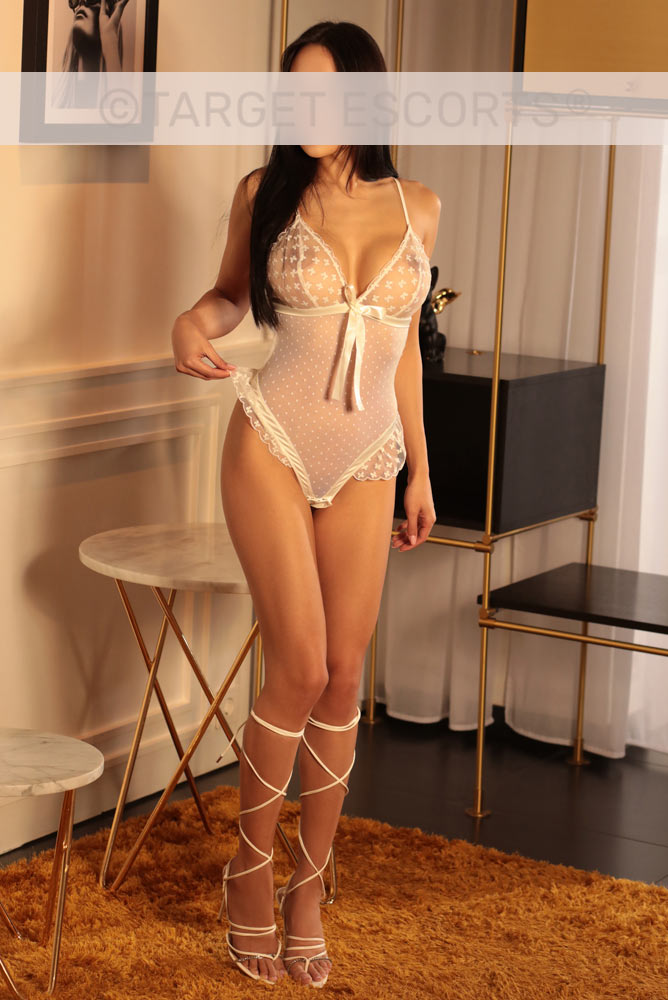
Wenen, Carmen
20 yo Oostenriks 170 cm 55 kg
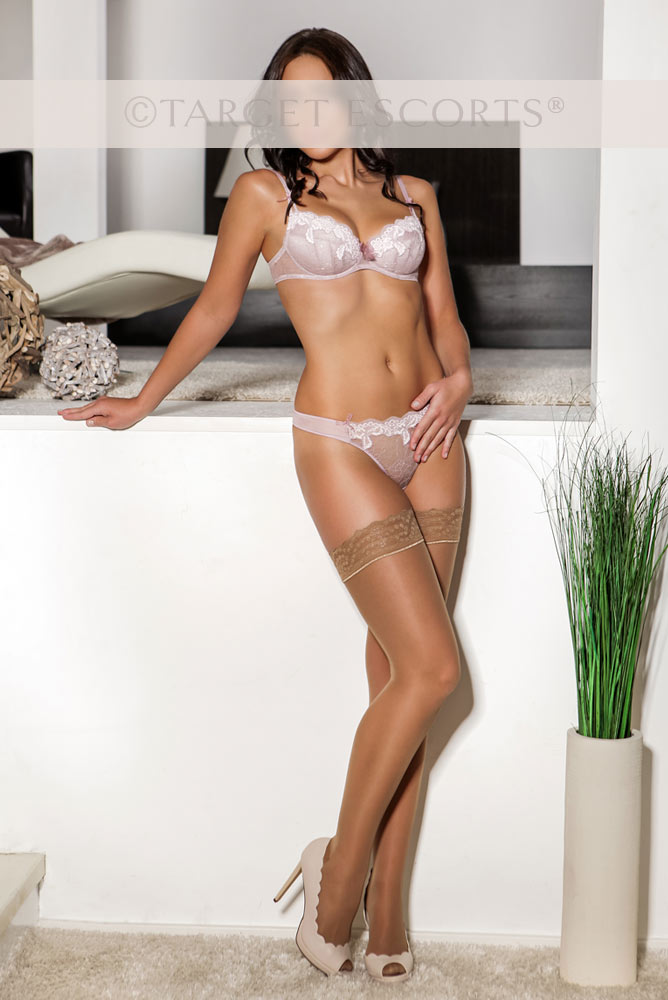
Wenen, Ella
20 yo Oostenriks 170 cm 55 kg

Wenen, Lora
23 yo Engels 164 cm 54 kg

Wenen, Annie
28 yo Français 169 cm 57 kg
Wenen, Lyly
29 yo Oekraïens 167 cm 48 kg

Wenen, Sandra
26 yo Italiaans 161 cm 52 kg
Vienna (Wien), the Austrian federal capital, has one of Central Europe's longest-established and most formally regulated sex-work frameworks — dating to the 19th century and modernised through the Wiener Prostitutionsgesetz (Vienna Prostitution Act) and accompanying federal-level legislation. Independent escorts and agencies operate within a registration and regular health-examination requirement, and the market has historically been characterised by relative stability and discretion. Demand is driven by government and diplomatic traffic, a substantial international congress and trade-fair calendar, and year-round cultural tourism. Pricing positions between the German majors (Berlin, Munich) and the lower Central European markets.
Neighborhoods
Innere Stadt (1st Bezirk) — the historic First District, enclosed by the Ringstrasse boulevard. Contains the Hofburg Palace complex, St. Stephen's Cathedral (Stephansdom), and the highest concentration of luxury hotels in the city (Hotel Imperial, Hotel Bristol, Palais Coburg). Heaviest outcall density from business and cultural-tourism visitors; the Kärntner Strasse and Graben pedestrian zones are the commercial core. Well-served by U-Bahn lines U1 and U3 at Stephansplatz.
Mariahilf (6th Bezirk) — immediately south-west of the First District, centred on the Mariahilfer Strasse shopping corridor. Mariahilfer Strasse itself is Vienna's main retail axis; the surrounding streets and the Gürtel (the outer ring road around the inner districts) have historically hosted a street-based and club-based market. Mid-tier pricing; convenient tram and U3 Metro connections.
Leopoldstadt (2nd Bezirk) — across the Danaukanal from the First District, traditionally the city's Jewish quarter and now a rapidly gentrifying residential area. The Prater park and the Vienna International Centre (UNO-City, home to multiple UN agencies) generate distinct visitor flows; mid-to-high-tier independents working incall from private apartments. U-Bahn lines U1 and U2.
Josefstadt / Alsergrund (8th / 9th Bezirk) — the university and hospital quarter north-west of the centre. Academic and institutional character; quieter, residential-feel incall market at mid-tier pricing. The General Hospital (AKH) and University of Vienna are the dominant anchors. U-Bahn line U6 to the ring in approximately 15 minutes.
Währing / Döbling (18th / 19th Bezirk) — the affluent residential hillside districts north of the centre, along the Heiligenstädter Strasse and Grinzing area. Smaller number of higher-end independents preferring maximum residential privacy; logistics require a car or taxi from the centre (30–40 minutes).
Legal Information
Sex work is legal in Austria and regulated under a combination of federal law (Sicherheitspolizeigesetz, SPG) and the Vienna Prostitution Act (Wiener Prostitutionsgesetz, WIGB 2011). Sex workers are required to register with the municipal authorities, carry a registration card, and undergo regular mandatory health examinations; failure to comply is an administrative offence. Prostitution is restricted to designated zones and permitted premises; street solicitation is prohibited in residential areas and near schools and churches under the city's zoning rules. Escort agencies must comply with trade-licensing requirements (Gewerbeschein). Exploitation and trafficking are criminal offences under the Austrian Criminal Code (§§ 104a, 216 StGB). TonightBabe lists independent and agency profiles in Vienna for introductory purposes; verification of registration status and compliance is the responsibility of providers and clients. See the City of Vienna (www.wien.gv.at) for the current regulatory text.
Peak Times
Price ranges
- Low tier: €120 – €180
- Mid tier: €200 – €340
- High tier: €380 – €750+
Overnight bookings typically run €1,100–€2,800; rates are provider-set. The Ball Season (January–March) and the Wiener Festwochen (May–June) both carry premium lead-time requirements and modest rate lifts at the high tier.
Peak times & seasonality
The Vienna Ball Season (Ballsaison, January through early March) — encompassing the Opernball (Opera Ball), Philharmonikerball, and several dozen formal balls at the Hofburg and Musikverein — is the city's highest-demand period and the point at which same-day bookings become unreliable. The Wiener Festwochen (Vienna Festival, May–June) and the summer concert season sustain demand through mid-July. Christmas markets (Weihnachtsmärkte, mid-November through 26 December) draw heavy domestic and European short-break tourism and lift weekend demand sharply. The autumn conference and congress season (September–October), driven by the APA meetings, UNO-Vienna events, and Reed Messe Wien trade fairs, generates sustained midweek demand. Tuesday–Thursday evenings are the strongest business-travel window year-round.
Transport
Vienna International Airport (VIE, Schwechat) is 16 minutes from Wien Mitte/Landstrasse by CAT (City Airport Train, runs every 30 minutes) or 30 minutes by S-Bahn line S7; taxis and ride-hail services take 25–40 minutes. The U-Bahn (five lines, U1–U6) runs until approximately 00:30 and then 24-hour service on Friday and Saturday nights; night buses (N-prefix, converging at Schwedenplatz) cover all other times. Major luxury hotels in the First District (Imperial, Bristol, Sacher, Grand Hotel Wien) are guest-friendly and do not routinely require visitor ID; smaller Pension-type accommodation varies. Outcall travel beyond the Gürtel ring typically carries a surcharge of €20–€40.
Escorts in Wenen, Oostenryk
Escorts in Wenen. Profiele: 9. TonightBabe.
Publication and verification are separate. Check the verification badge on each profile and read what the verification process covers.
Vienna (Wien), the Austrian federal capital, has one of Central Europe's longest-established and most formally regulated sex-work frameworks — dating to the 19th century and modernised through the Wiener Prostitutionsgesetz (Vienna Prostitution Act) and accompanying federal-level legislation. Independent escorts and agencies operate within a registration and regular health-examination requirement, and the market has historically been characterised by relative stability and discretion. Demand is driven by government and diplomatic traffic, a substantial international congress and trade-fair calendar, and year-round cultural tourism. Pricing positions between the German majors (Berlin, Munich) and the lower Central European markets.
Neighborhoods
Innere Stadt (1st Bezirk) — the historic First District, enclosed by the Ringstrasse boulevard. Contains the Hofburg Palace complex, St. Stephen's Cathedral (Stephansdom), and the highest concentration of luxury hotels in the city (Hotel Imperial, Hotel Bristol, Palais Coburg). Heaviest outcall density from business and cultural-tourism visitors; the Kärntner Strasse and Graben pedestrian zones are the commercial core. Well-served by U-Bahn lines U1 and U3 at Stephansplatz.
Mariahilf (6th Bezirk) — immediately south-west of the First District, centred on the Mariahilfer Strasse shopping corridor. Mariahilfer Strasse itself is Vienna's main retail axis; the surrounding streets and the Gürtel (the outer ring road around the inner districts) have historically hosted a street-based and club-based market. Mid-tier pricing; convenient tram and U3 Metro connections.
Leopoldstadt (2nd Bezirk) — across the Danaukanal from the First District, traditionally the city's Jewish quarter and now a rapidly gentrifying residential area. The Prater park and the Vienna International Centre (UNO-City, home to multiple UN agencies) generate distinct visitor flows; mid-to-high-tier independents working incall from private apartments. U-Bahn lines U1 and U2.
Josefstadt / Alsergrund (8th / 9th Bezirk) — the university and hospital quarter north-west of the centre. Academic and institutional character; quieter, residential-feel incall market at mid-tier pricing. The General Hospital (AKH) and University of Vienna are the dominant anchors. U-Bahn line U6 to the ring in approximately 15 minutes.
Währing / Döbling (18th / 19th Bezirk) — the affluent residential hillside districts north of the centre, along the Heiligenstädter Strasse and Grinzing area. Smaller number of higher-end independents preferring maximum residential privacy; logistics require a car or taxi from the centre (30–40 minutes).
Legal Information
Sex work is legal in Austria and regulated under a combination of federal law (Sicherheitspolizeigesetz, SPG) and the Vienna Prostitution Act (Wiener Prostitutionsgesetz, WIGB 2011). Sex workers are required to register with the municipal authorities, carry a registration card, and undergo regular mandatory health examinations; failure to comply is an administrative offence. Prostitution is restricted to designated zones and permitted premises; street solicitation is prohibited in residential areas and near schools and churches under the city's zoning rules. Escort agencies must comply with trade-licensing requirements (Gewerbeschein). Exploitation and trafficking are criminal offences under the Austrian Criminal Code (§§ 104a, 216 StGB). TonightBabe lists independent and agency profiles in Vienna for introductory purposes; verification of registration status and compliance is the responsibility of providers and clients. See the City of Vienna (www.wien.gv.at) for the current regulatory text.
Peak Times
Price ranges
- Low tier: €120 – €180
- Mid tier: €200 – €340
- High tier: €380 – €750+
Overnight bookings typically run €1,100–€2,800; rates are provider-set. The Ball Season (January–March) and the Wiener Festwochen (May–June) both carry premium lead-time requirements and modest rate lifts at the high tier.
Peak times & seasonality
The Vienna Ball Season (Ballsaison, January through early March) — encompassing the Opernball (Opera Ball), Philharmonikerball, and several dozen formal balls at the Hofburg and Musikverein — is the city's highest-demand period and the point at which same-day bookings become unreliable. The Wiener Festwochen (Vienna Festival, May–June) and the summer concert season sustain demand through mid-July. Christmas markets (Weihnachtsmärkte, mid-November through 26 December) draw heavy domestic and European short-break tourism and lift weekend demand sharply. The autumn conference and congress season (September–October), driven by the APA meetings, UNO-Vienna events, and Reed Messe Wien trade fairs, generates sustained midweek demand. Tuesday–Thursday evenings are the strongest business-travel window year-round.
Transport
Vienna International Airport (VIE, Schwechat) is 16 minutes from Wien Mitte/Landstrasse by CAT (City Airport Train, runs every 30 minutes) or 30 minutes by S-Bahn line S7; taxis and ride-hail services take 25–40 minutes. The U-Bahn (five lines, U1–U6) runs until approximately 00:30 and then 24-hour service on Friday and Saturday nights; night buses (N-prefix, converging at Schwedenplatz) cover all other times. Major luxury hotels in the First District (Imperial, Bristol, Sacher, Grand Hotel Wien) are guest-friendly and do not routinely require visitor ID; smaller Pension-type accommodation varies. Outcall travel beyond the Gürtel ring typically carries a surcharge of €20–€40.